Understanding Towing Regulations: A Guide for Safe and Legal Hauling Nov 22, 2025
The first step in understanding towing regulations is recognizing the different types of towing services available and when they are appropriate. From flatbed towing suitable for long-distance hauling to dolly towing which is often used for shorter distances, each comes with its specific guidelines. It is crucial to understand the weight limits for each towing method, as exceeding these can lead to serious legal issues and potentially unsafe situations on the road.
Vehicle weight is another pivotal point in towing regulations. Ensuring that your vehicle meets the towing capacity requirements is fundamental. This involves checking the Gross Vehicle Weight Rating (GVWR) and making sure that the combined weight of your towing setup does not surpass this limit. Overloading can lead to fines, increased wear on vehicles, and, most importantly, poses a risk to road safety. Always consult with a towing expert if you are unsure about your vehicle’s towing capacity.
Another essential regulation pertains to securing cargo during hauling. Proper load securing is not just a good practice but also a legal requirement. Loose items can become projectiles, endangering other road users and potentially bringing hefty penalties to the vehicle owner. Utilizing approved tie-downs and load securing devices is imperative, and while doing so might seem inconvenient, it ultimately ensures safe travels and compliance with transportation laws.
Towing speed regulations also play a crucial role in ensuring both legal compliance and safety. Different states have varying speed limits for towed vehicles, often set below the standard speed limits for non-towing vehicles. Being aware of these limits and adhering to them can prevent accidents and avoid fines.
Furthermore, understanding the rules surrounding trailer brakes is vital. Typically, if a trailer exceeds a certain weight, it is required to have its own braking system. This law aims to ensure that the vehicle's stopping capabilities are not compromised. Consulting the towing laws specific to the state or province where you will be hauling will provide detailed guidance on trailer brake requirements.
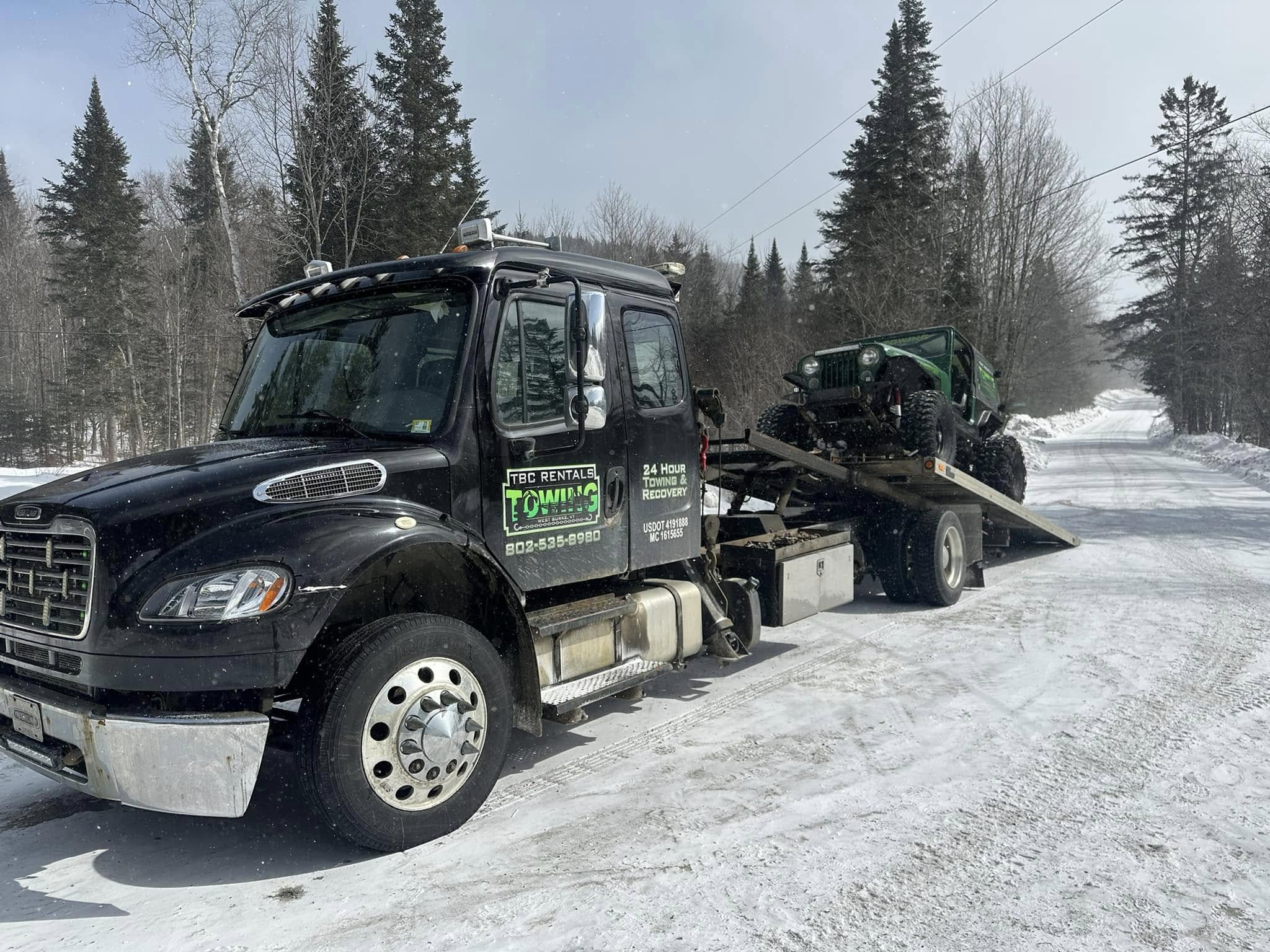
When navigating these regulations, enlisting the help of certified and reputable companies like TBC Towing can make all the difference. Working with professionals ensures you are in compliance with all legal requirements, from vehicle weight restrictions to appropriate securing of loads and speed adherence. Moreover, established towing services often offer robust customer support that can guide you in preparing your vehicle and cargo for towing.
In conclusion, while towing regulations might seem overwhelming initially, understanding these rules is critical to safe and lawful hauling. By familiarizing yourself with vehicle weight limits, proper securing methods, speed restrictions, and trailer brake requirements, you can ensure that your towing experience is both safe and compliant. Partnering with a professional towing service, such as TBC Towing, provides additional peace of mind, ensuring that all aspects of towing and hauling are expertly handled. Prioritizing regulation adherence not only prevents legal inconveniences but also safeguards the well-being of all road users.
/filters:no_upscale()/filters:format(webp)/media/d1e490d3-b041-4a72-a1c4-9118959fd7ca.jpeg)